
Uso responsable de Inteligencia Artificial en ADICFito
El desarrollo de ADICFito incorpora modelos de inteligencia artificial para apoyar el análisis digital de células de fitoplancton. Conscientes de la importancia de la transparencia, la trazabilidad y el uso responsable de estas tecnologías, se adoptaron las siguientes medidas:
1. Reconocimiento de células de fitoplancton
Modelo utilizado: Se emplearon modelos de Azure Custom Vision para la clasificación de imágenes.
Alcance taxonómico: El sistema clasifica células a nivel de Familia.
Criterio de inclusión de datos: Solo se incluyeron familias con más de 100 imágenes disponibles; las restantes fueron agrupadas en una clase negativa ("otras").
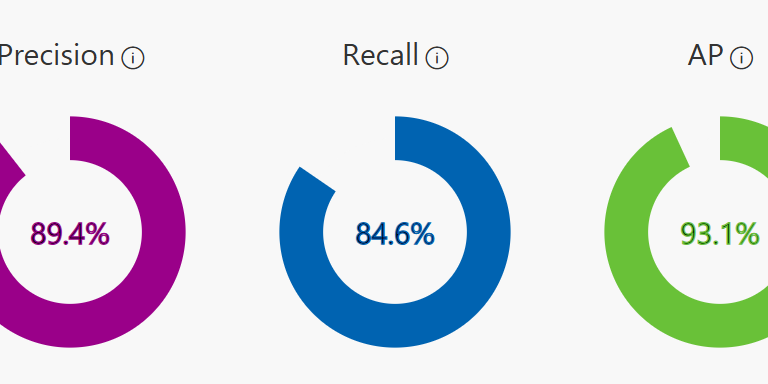
Métricas de evaluación: El desempeño del modelo se reporta en términos de accuracy, precision y recall por familia, con el fin de reflejar de manera transparente tanto sus fortalezas como sus limitaciones.
Limitaciones y uso responsable:
- El modelo no reemplaza la validación experta, sino que constituye un apoyo para agilizar análisis rutinarios.
- Se reconoce que la calidad y representatividad del dataset condicionan los resultados, por lo que se continuará ampliando y diversificando el conjunto de imágenes.
2. Generación automática de descripciones taxonómicas
Modelo utilizado: Se utilizó GPT-4 para la generación de descripciones accesibles de las especies de fitoplancton incluidas en la plataforma.
Objetivo: Reducir brechas de conocimiento de usuarios no expertos mediante un catálogo con descripciones claras, evitando un lenguaje excesivamente técnico.
Uso responsable:
- Se establecieron lineamientos para evitar sesgos, errores de interpretación o inconsistencias taxonómicas.
- El rol del modelo es complementar el trabajo de especialistas, no sustituir su criterio científico.
3. Compromiso de mejora continua
ADICFito mantiene un compromiso de actualización de sus modelos y bases de datos, fomentando la transparencia en las métricas de desempeño y en la procedencia de los datos. El objetivo es asegurar que el uso de inteligencia artificial contribuya de manera confiable, ética y responsable al monitoreo de floraciones de algas nocivas.